
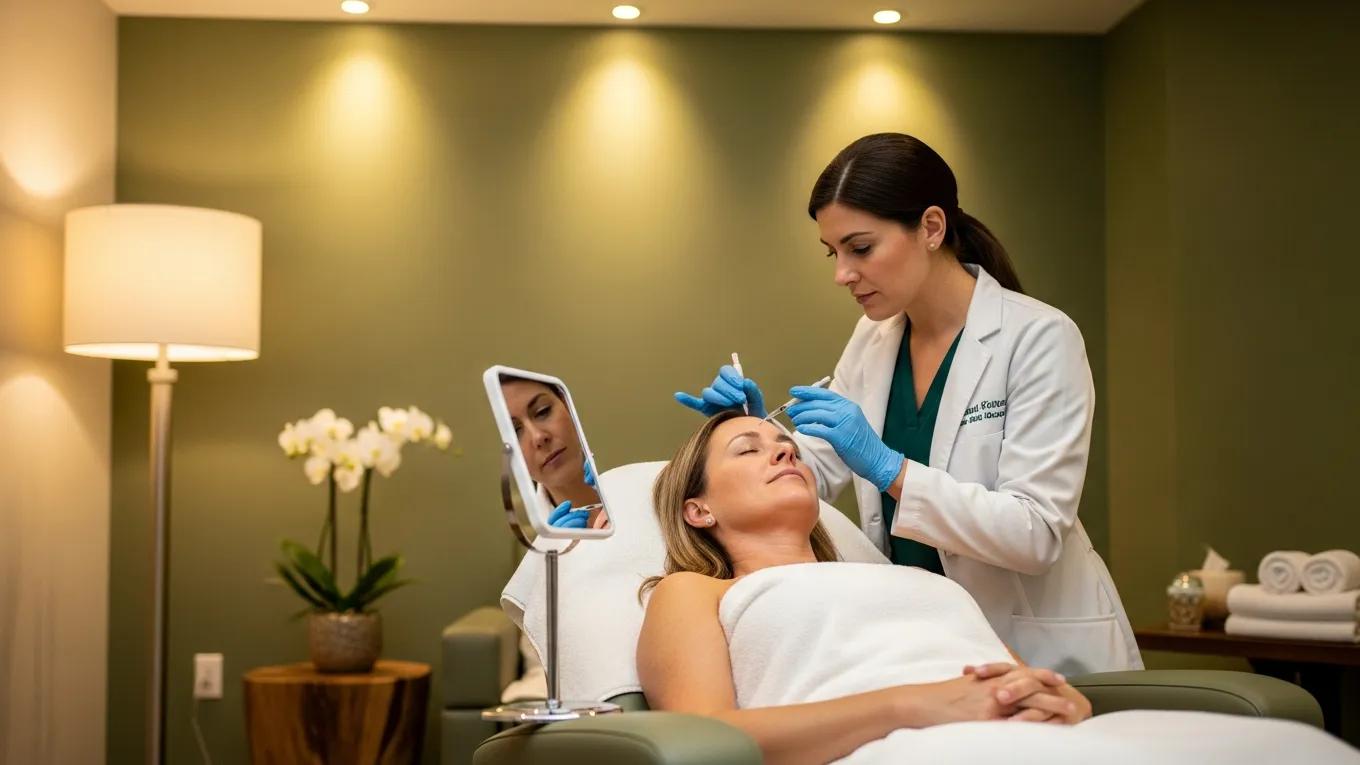
Discover the Secret to Youthful Skin: Unlock the Benefits of Botox Today!

Botox Treatment Benefits for Youthful Aging Skin: How Botox Reduces Wrinkles and Rejuvenates Skin
As we age, our skin undergoes various changes, leading to the appearance of wrinkles and fine lines. Botox, a popular cosmetic treatment, offers a solution to combat these signs of aging effectively. This article explores the numerous benefits of Botox for youthful aging skin, including its ability to reduce wrinkles, promote skin rejuvenation, and enhance overall appearance. Many individuals seek ways to maintain their youthful glow, and Botox provides a scientifically-backed method to achieve this. We will delve into the key benefits of Botox, how it works, and what to expect during the treatment process.
What Are the Key Benefits of Botox for Aging Skin?
Botox is renowned for its ability to address various signs of aging, making it a go-to option for many seeking a youthful appearance. The primary benefits of Botox for aging skin include:
- Reduction of Wrinkles: Botox effectively diminishes the appearance of dynamic wrinkles, such as crow’s feet and frown lines, by temporarily paralyzing the underlying facial muscles.
- Promotion of Skin Rejuvenation: Beyond wrinkle reduction, Botox encourages skin rejuvenation by enhancing blood flow and potentially stimulating collagen production, leading to a more vibrant complexion.
- Contributing to a Youthful Appearance: Many patients report increased confidence and satisfaction with their appearance after Botox treatments, contributing to an overall sense of well-being.
Total Med Solutions, a medical aesthetic and wellness provider based in the Dallas-Fort Worth metroplex, specializes in Botox treatments aimed at youthful aging skin. Their expertise ensures that clients receive personalized care tailored to their specific needs. For more information on their services, you can visit Total Med Solutions.
Reduction of Wrinkles
Botox reduces wrinkles by blocking the signals from nerves to the muscles, preventing them from contracting. This mechanism effectively smooths out the skin, particularly in areas prone to dynamic wrinkles. Common types of wrinkles treated by Botox include:
- Crow’s Feet: The fine lines that form around the eyes due to repetitive facial expressions.
- Frown Lines: The vertical lines that appear between the eyebrows, often referred to as “11s.”
- Forehead Lines: The horizontal lines that develop across the forehead from raising the eyebrows.
By targeting these areas, Botox provides a smoother, more youthful appearance.
Additionally, the Food and Drug Administration has specifically recognized the efficacy of Botox for aesthetic wrinkle reduction in certain applications.
FDA Approval of OnabotulinumtoxinA for Aesthetic Wrinkle Reduction
OnabotulinumtoxinA (Botox), a botulinum toxin type A (BoNT-A), received United States Food and Drug Administration approval in 2002 for the temporary improvement of glabellar lines in patients aged 65 years and younger. Beyond this initial indication, BoNT-A has seen extensive use in various aesthetic applications, including hyperhidrosis, body contouring, and other noninvasive facial procedures. Its mechanism of action involves the inhibition of presynaptic exocytosis of acetylcholine (ACh)-containing vesicles into the neuromuscular junction at cholinergic nerve endings of the peripheral nervous system, leading to the paralysis of skeletal muscles.
Scientific review of the aesthetic uses of botulinum toxin type A, 2021
Promotion of Skin Rejuvenation
In addition to wrinkle reduction, Botox promotes skin rejuvenation. The treatment enhances blood circulation in the treated areas, which can lead to improved skin texture and tone. Patients often notice a more radiant complexion following their Botox sessions. The effects of Botox can last for several months, making it a convenient option for those looking to maintain their youthful appearance with minimal downtime.
Contributing to a Youthful Appearance
The psychological benefits of Botox treatments are significant. Many individuals report feeling more confident and socially engaged after their procedures. This boost in self-esteem can lead to improved interactions and a more positive outlook on life. The combination of physical and emotional benefits makes Botox a popular choice for those seeking to enhance their overall appearance.
How Does Botox Reduce Wrinkles and Fine Lines?
Botox works by inhibiting the release of acetylcholine, a neurotransmitter responsible for muscle contraction. When injected into specific facial muscles, Botox temporarily paralyzes these muscles, preventing them from contracting and causing wrinkles. This process smooths out the skin’s surface, leading to a more youthful appearance. The results typically become visible within a few days and can last for three to six months, depending on individual factors and treatment areas.
Understanding the detailed mechanism of action provides further insight into how Botox achieves muscle relaxation and subsequent wrinkle attenuation.
Mechanism of Action of Botulinum Toxin: Muscle Relaxation for Dermal Wrinkle Attenuation
Botulinum toxin, a potent neurotoxin, functions by inhibiting the release of acetylcholine at the neuromuscular junction. The targeted injection of minimal quantities of botulinum toxin into hyperactive muscles induces localized muscle relaxation. This relaxation subsequently leads to the smoothing of overlying skin and a reduction in rhytides. The full therapeutic effects of botulinum toxin typically manifest within approximately two weeks post-injection and persist for a duration of three to four months. Dynamic rhytides, which are evident during muscular contraction, demonstrate more pronounced improvements compared to static rhytides, which are visible at rest.
Botulinum toxin injection for facial wrinkles, R Small, 2014
In What Ways Does Botox Promote Skin Rejuvenation?
Botox not only reduces wrinkles but also promotes skin rejuvenation by stimulating collagen production. Collagen is a vital protein that helps maintain skin elasticity and firmness. As Botox relaxes the facial muscles, it allows the skin to recover and regenerate, resulting in a more youthful and vibrant appearance. Patients often report improved skin texture and a reduction in fine lines, contributing to an overall rejuvenated look.
How Is Botox Administered for Effective Anti-Aging Results?
The administration of Botox is a straightforward process that typically takes less than 30 minutes. A qualified medical professional will assess the areas to be treated and determine the appropriate dosage. The injections are performed using a fine needle, minimizing discomfort. Most patients experience only mild discomfort during the procedure, and there is no need for anesthesia. After the treatment, patients can resume their daily activities immediately.
What Are the Typical Steps in a Botox Treatment Procedure?
The typical steps in a Botox treatment procedure include:
- Consultation: A thorough consultation to discuss goals and expectations.
- Preparation: Cleansing the treatment area to ensure hygiene.
- Injection: Administering Botox injections into targeted muscles.
- Post-Treatment Care: Providing aftercare instructions to maximize results.
These steps ensure a safe and effective treatment experience for patients.
Who Are the Medical Professionals Performing Botox Injections?
Botox injections should only be performed by qualified medical professionals, such as dermatologists or plastic surgeons, who have received specialized training in aesthetic procedures. These practitioners understand facial anatomy and can ensure that the injections are administered safely and effectively. Choosing a qualified provider is crucial for achieving optimal results and minimizing the risk of complications.
The careful selection of specific muscles for denervation is critical for successful facial rejuvenation, as highlighted by clinical studies.
Botulinum Toxin Type A for Facial Rejuvenation and Rhytid Management
The contemporary emphasis on youthfulness and aesthetic enhancement has led to a notable increase in cosmetic interventions. Botulinum Toxin Type A (Botox) stands as a prominent procedure utilized for facial rejuvenation, acting by denervating specific muscles of facial expression implicated in rhytidogenesis. Its application extends to regions such as the forehead, glabella, lateral canthal area, and neck. Within the maxillofacial context, hyperkinetic forehead rhytids frequently contribute to a ptotic appearance.
An evaluation of use of botulinum toxin type A in the management of dynamic forehead wrinkles-a clinical study, 2016
What Safety Considerations and Side Effects Should You Know About Botox?
While Botox is generally considered safe, it is essential to be aware of potential side effects. Common side effects may include:
- Mild Bruising: Temporary bruising at the injection site.
- Headaches: Some patients may experience mild headaches following treatment.
- Drooping Eyelids: Rarely, Botox can cause temporary drooping of the eyelids if injected incorrectly.
It is crucial to discuss any concerns with your medical provider before undergoing treatment to ensure a safe experience.
Is Botox Safe for All Skin Types and Ages?
Botox is FDA-approved for use in adults aged 18 and older. It is generally safe for various skin types, but individuals with certain medical conditions or allergies should consult their healthcare provider before treatment. A thorough medical history review will help determine if Botox is a suitable option for each individual.
What Common Side Effects and How Are They Managed?
Common side effects of Botox are typically mild and resolve on their own within a few days. If any side effects persist or worsen, patients should contact their healthcare provider for guidance. Proper injection techniques and choosing a qualified provider can significantly reduce the risk of adverse effects.
How Long Do Botox Effects Last and How Can You Maintain Youthful Skin?
The effects of Botox usually last between three to six months, depending on individual factors such as metabolism and the area treated. To maintain youthful skin, patients can consider follow-up treatments as recommended by their provider. Additionally, adopting a skincare routine that includes sun protection and hydration can enhance the longevity of Botox results.
What Is the Typical Duration of Botox’s Anti-Aging Effects?
The duration of Botox’s anti-aging effects varies among individuals. Factors such as the treatment area, dosage, and individual metabolism can influence how long the results last. Regular maintenance treatments can help prolong the effects and keep the skin looking youthful.
What Aftercare Tips Help Prolong Botox Skin Rejuvenation Benefits?
To maximize the benefits of Botox and ensure optimal results, patients should follow these aftercare tips:
- Avoid Touching the Treated Area: Refrain from rubbing or massaging the injection sites for at least 24 hours.
- Stay Upright: Remain upright for several hours post-treatment to prevent the spread of the toxin.
- Limit Physical Activity: Avoid strenuous exercise for 24 hours to minimize swelling and bruising.
Following these guidelines can help enhance the longevity of Botox results and promote overall skin health.